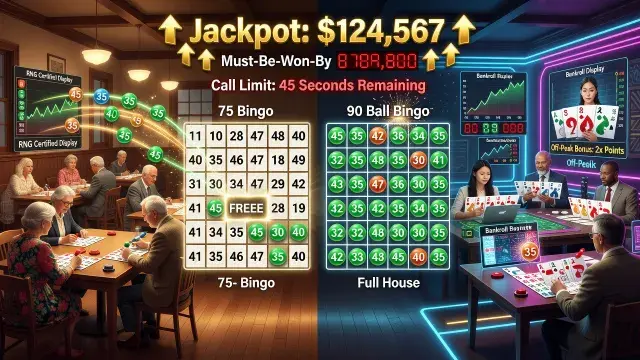
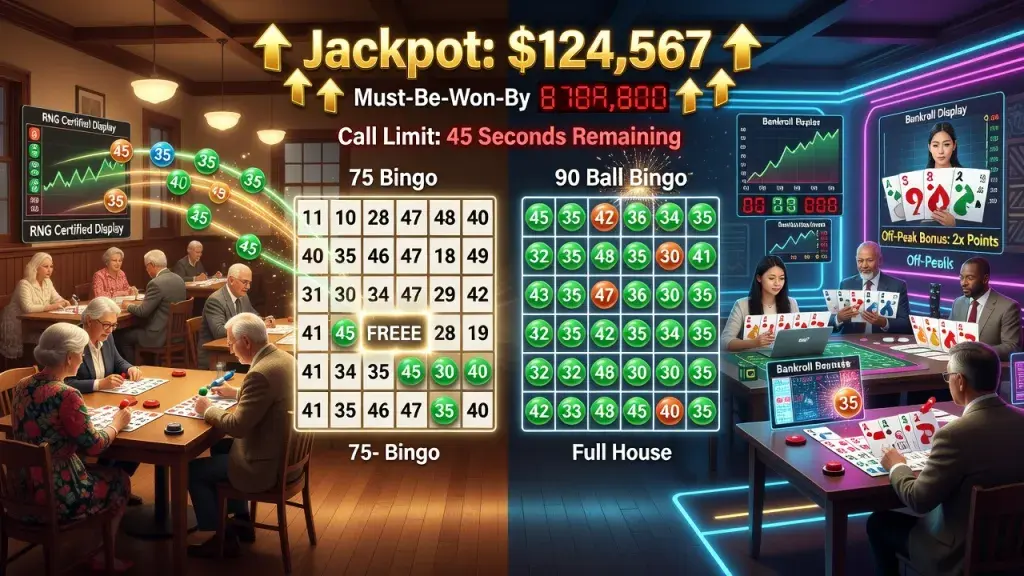
A single bingo card sold for a dollar has, in rare recorded cases, returned prizes exceeding six figures. That gap between a trivial stake and a life-changing payout is precisely what separates jackpot bingo from the standard version of the game most people learned as children. The mechanics look familiar - numbers called, patterns marked, a room or a screen full of players waiting for that final square - but the jackpot variant introduces a layer of structure that rewards patience, timing, and a working knowledge of the rules most casual players skip.
What makes jackpot bingo genuinely different is the pooled prize system sitting underneath the game. A portion of every ticket sold feeds a shared pot, and that pot only pays out under specific, often narrow, conditions - usually tied to how quickly a full house is completed. Miss the window and the jackpot rolls over, growing larger for the next round. This single mechanic changes how a smart player approaches ticket selection, timing, and bankroll planning. For readers who want to see how this looks in a live digital environment, you can learn more about a working example of the format before diving into the rules themselves.
This guide walks through the actual rulebook behind jackpot bingo, breaks down how the winning conditions are calculated, and lays out strategic thinking that holds up under scrutiny - not superstition dressed up as advice. It also covers what changes when the game moves from a physical hall to an online jackpot bingo room, where speed, automation, and player volume all affect your odds in ways worth understanding before you buy a single card.
Understanding Jackpot Bingo: Core Concepts
What Makes It Different From Standard Bingo
Standard bingo pays out based on a fixed prize structure - first line, two lines, full house, each with a set reward regardless of how the game unfolds. Jackpot bingo layers a variable, often escalating prize on top of that structure, funded by a percentage of ticket sales across multiple games or even multiple sessions. The jackpot itself is rarely guaranteed to be won on any given round. It depends on players hitting a full house within a specific number of calls, which introduces genuine unpredictability that standard bingo doesn't have.
How the Prize Pool Builds
Every ticket purchased contributes a small fraction to the jackpot fund. If no one meets the winning condition during a session, the money carries forward, compounding round after round. This is why jackpot totals can swing from modest to substantial within the space of a few days - the pool simply hasn't been claimed. Operators publish the current jackpot value before each session, giving players a clear number to weigh against the cost of entry.
Why the Jackpot Isn't Always Won
The defining feature of jackpot bingo rules is the call-limit condition. A full house has to land within a maximum number of balls drawn - commonly somewhere between 35 and 45 out of the usual 75 or 90, depending on the variant. If the winning card doesn't complete in time, the jackpot isn't paid at full value, or isn't paid at all, and the pool rolls over. This single rule is the mechanical heart of the entire format.
Jackpot Bingo Rules Explained
Number Calling and Card Structure
Most jackpot bingo games run on either a 75-ball or 90-ball format. The 75-ball version uses a 5x5 grid with a free center space, while the 90-ball version uses a 9x3 grid with five numbers per row. The calling sequence is random and, in online formats, generated by certified random number generators to keep results provably fair. Cards are marked automatically in digital play, though physical halls still rely on manual daubing.
The Call-Limit Condition
This is the rule that trips up new players. The jackpot only activates if a player completes the full pattern - typically a full house - within a preset number of calls. Session materials or the game's help screen always state this number clearly before play begins. Ignoring it is the most common reason players misjudge their odds; they assume any full house wins the jackpot, when in fact timing is the entire condition.
Minimum Stake and Eligibility Requirements
Many jackpot formats require a minimum number of cards purchased, or a minimum stake per game, before a player becomes eligible for the jackpot pool at all. Buying the cheapest possible ticket sometimes excludes you from jackpot eligibility even if you win the round outright. Reading the eligibility terms before purchase avoids a frustrating surprise at the moment you think you've won.
Rollover and Guaranteed Jackpot Rules
Some operators cap how many times a jackpot can roll over before it becomes a guaranteed payout on the next session, win or lose. This "must-be-won-by" rule protects players from a jackpot growing indefinitely without ever being claimed, and it's worth checking for before committing to a long session chasing a specific pool.
- Full house must land within the stated call limit to trigger the jackpot
- Minimum ticket purchase often required for jackpot eligibility
- Rollover caps may guarantee payout after a set number of unclaimed sessions
- Random number generation governs call order in digital versions
How to Win Jackpot Bingo: Practical Approaches
Reading the Call-Limit Before You Play
Knowing how to win jackpot bingo starts with understanding the specific call-limit for that session. A tighter limit means a lower chance of hitting the jackpot but often a smaller required stake; a looser limit raises your odds but usually comes with steeper competition since more players qualify. Matching your play to a session with a call-limit that suits your card volume is the first strategic decision, not an afterthought.
Card Volume and Coverage
More cards mean more number coverage across a single game, which statistically improves your chances of completing a pattern within the call limit. This isn't a loophole - it's basic probability. The tradeoff is cost, and a disciplined player sets a card limit per session rather than buying indefinitely in the hope of forcing a win.
Session Timing and Player Volume
Jackpots tend to be easier to hit, proportionally, in rooms with fewer active players, since fewer cards are competing to complete the pattern first. Busy peak-hour rooms often have larger jackpots but also a lower per-player probability of claiming them. Off-peak sessions can offer a better mathematical balance between jackpot size and realistic winning odds.
Bingo Jackpot Strategy for Consistent Play
Bankroll Management Across Sessions
A sound bingo jackpot strategy treats the jackpot chase as a long-term probability game, not a single-session gamble. Setting a fixed budget per week and refusing to chase losses after a missed jackpot protects you from the most common mistake players make: escalating stakes after a near-miss, which has zero bearing on future call outcomes.
Choosing Rooms With Favorable Call Limits
Not all jackpot rooms are built the same. Comparing call-limit thresholds across available rooms before committing stake money is a simple habit that measurably improves long-run odds. A room requiring a full house within 40 calls on a 75-ball game is mathematically more forgiving than one requiring 35 calls, all else equal.
Tracking Patterns Without Overreliance on Them
Some players track which numbers call frequently in a given room, believing it informs future card selection. In a properly randomized game this has no predictive value, but tracking session jackpot sizes and rollover frequency does have practical use - it helps identify when a jackpot is approaching a guaranteed payout threshold, which is a legitimate signal rather than superstition.
Playing Online Jackpot Bingo
How Digital Rooms Differ From Physical Halls
Online jackpot bingo runs faster than hall-based play, with automated calling and card-marking removing human error from the equation. Digital rooms also tend to pool jackpots across a wider player base, since geography stops being a limiting factor, which usually means larger prize pools but also more competition for the winning card.
Verifying Fairness and Licensing
Legitimate platforms publish their random number generator certification and hold licensing from a recognized gaming authority. Checking for this before depositing money is a basic due-diligence step that protects against unregulated operators.
Managing Multiple Cards in a Digital Interface
Online platforms let players manage far more cards simultaneously than would be practical by hand, since auto-daub features track matches automatically. This raises the practical ceiling on card volume strategy discussed earlier, but it also means the cost of a session can escalate quickly without a hard stake limit set in advance.
Choosing the Right Jackpot Bingo Game
Comparing Jackpot Size Against Odds
A larger advertised jackpot isn't automatically the better choice. A smaller pool with a generous call-limit and lower player volume can offer a better realistic return than a headline-grabbing jackpot buried under strict conditions and heavy competition.
Reading the Fine Print on Eligibility
Every solid jackpot bingo game guide will tell you the same thing: read the terms before you play, not after you win. Minimum stakes, geographic restrictions, and session-specific rules all affect whether a completed full house actually qualifies for the jackpot payout.
Frequently Asked Questions
Do all bingo games include a jackpot feature?
No. Standard bingo games use fixed prize tiers with no rollover pool. The jackpot feature is a separate, optional structure that operators add specifically to certain rooms or sessions, and it's always disclosed before play begins.
Is buying more cards actually a valid strategy or just spending more money?
It's a valid probability play as long as it's budgeted deliberately. More cards mean broader number coverage, which genuinely raises your odds of completing a pattern within the call limit, but the strategy only makes sense within a fixed spending cap decided before the session starts.
What happens if nobody hits the jackpot during a session?
The unclaimed pool typically rolls over into the next session, growing the total prize. Some platforms cap the number of rollovers and guarantee payout after a set number of unclaimed rounds, so checking that policy tells you how long a jackpot might realistically keep growing.
Can I trust the randomness of online jackpot bingo?
Licensed platforms use certified random number generators audited by independent testing bodies, and this certification is usually listed on the site. If a platform doesn't disclose licensing or fairness testing, that's a legitimate reason to avoid it regardless of how attractive the jackpot looks.
Does the number of players in a room affect my chances?
Yes. More active cards competing in a session mean a higher chance that someone else completes the pattern before you within the call limit. Off-peak sessions with fewer players generally offer better per-player odds, even if the total jackpot is smaller.
Is there a way to predict which numbers will be called?
No. Properly regulated jackpot bingo uses genuine randomization, and no pattern-tracking method changes the probability of future calls. Strategy in this game comes from stake management, card volume, and room selection - not number prediction.